





In brief
- Illicit cryptocurrency addresses received at least $154 billion in 2025.
- Sanctioned entities accounted for about $104 billion of those flows.
- Activity tied to Iran, Russia, and North Korea drove much of the volume.
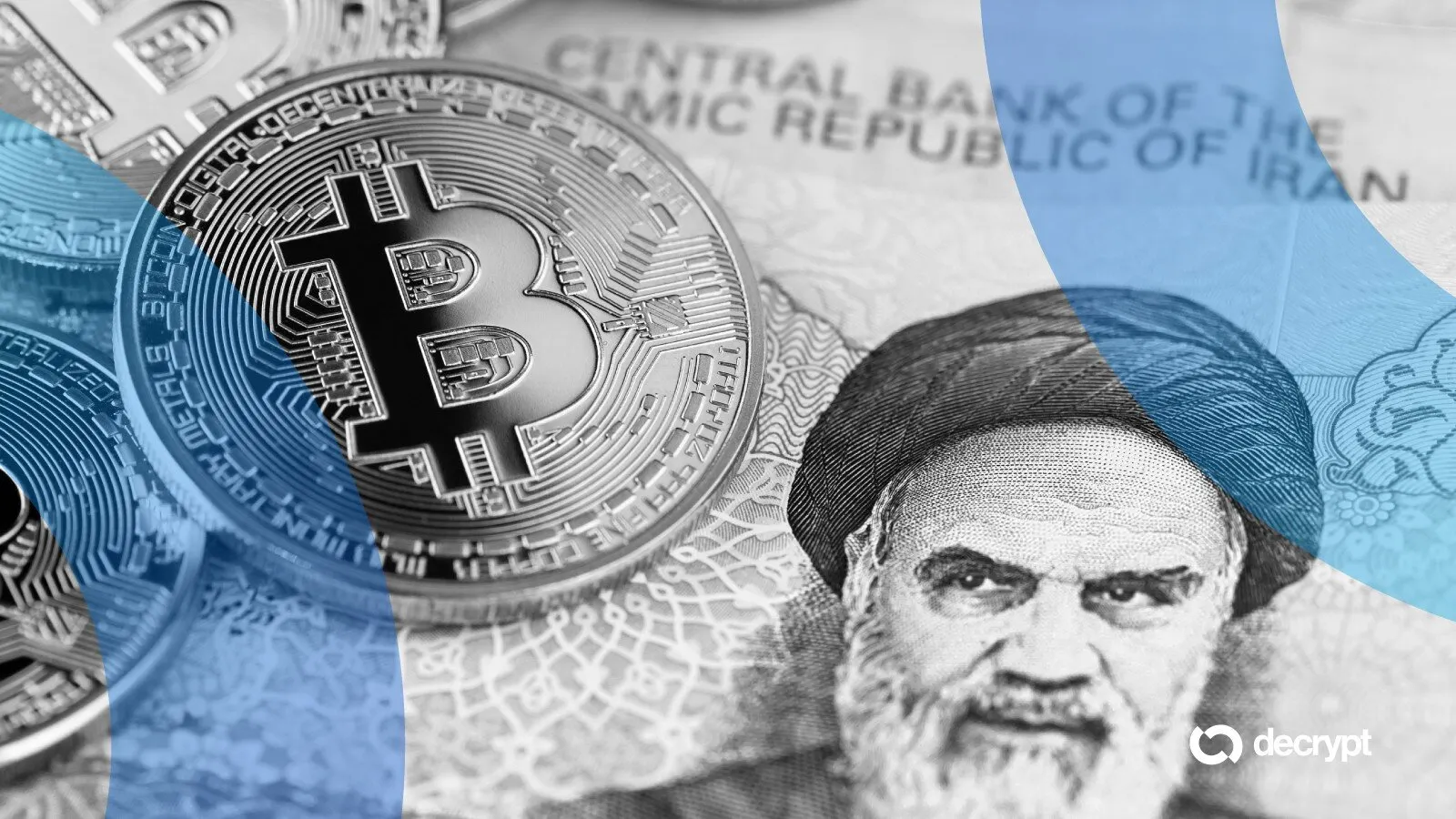
Iran’s use of cryptocurrency to move money under sanctions is expanding, with more than $3 billion tied to networks linked to the Islamic Revolutionary Guard Corps in 2025, according to blockchain analytics firm Chainalysis.
The figure comes from the company’s 2026 Crypto Crime Report, which estimates that illicit cryptocurrency addresses received at least $154 billion in digital assets last year. That’s a 162% year-over-year increase, the firm said.
“Iran continued integrating crypto into its strategic priorities and financing for proxies, even as the regime faced internal and external pressures not seen since the early days of the Islamic Republic,” Chainalysis reported.
According to Chainalysis, in the fourth quarter of 2025, IRGC-linked addresses accounted for over half of all value received by Iranian entities, moving more than $3 billion to support regional militia networks, facilitate oil sales, and “procure dual-use equipment.”
After last weekend’s joint U.S. and Israeli airstrikes on Iran, blockchain data showed about $10.3 million in cryptocurrency flowing out of Iranian exchanges, with hourly outflows briefly approaching $2 million as activity spiked.
Bitcoin dropped to a price of $63,100 after initial reports of the U.S./Israeli led bombings before rebounding and trading near $70,000 as investors assessed the conflict. The leading cryptocurrency rose further, nearly hitting $74,000 on Wednesday before dipping over the last 24 hours to a recent price above $71,000.
According to Chainalysis, the total Iranian cryptocurrency market reached a value of $7.48 billion in 2025. However, recent fighting in the region has also affected the broader cryptocurrency market.
Beyond the immediate market reaction, Chainalysis said a primary objective remains the sustained support of external operations in the region.
“These funds are used to finance a web of regional militia proxies, including Lebanese Hezbollah, Hamas, and the Houthis, facilitating the movement of commodities, illicit oil, and arms at scales not seen on the blockchain before,” they said.
The rise in illicit crypto activity extends beyond the Middle East, with Chainalysis estimating that illicit addresses received at least $154 billion in digital assets in 2025. Of that, sanctioned countries accounted for $104 billion worth of crypto flows.
“This analysis underscores the extent to which nation states like Iran, subject to heavy sanctions prohibiting the movement of fiat funds, have turned to crypto to facilitate foreign trade activities and have skillfully learned how to obfuscate their activity on the blockchain,” Chainalysis said.
Beyond the Middle East, Russia accounted for some of the largest volumes in illicit activity with the A7A5 ruble-backed stablecoin, processing $93.3 billion in transactions in less than a year. Sanctioned Russia-based cryptocurrency exchanges, Grinex and Meer, processed $305 million and $4.76 billion in transactions in 2025, respectively, the report said.
Cryptocurrency flows in Venezuela reached $44.6 billion in 2025, Chainalysis said, noting that Venezuelan nationals were early adopters of crypto as a hedge against hyperinflation and sustained instability.
“Furthermore, informal over-the-counter (OTC) brokers, whether operating physical storefronts or offering services tailored to Venezuelan nationals, continue to function as on- and off-ramps,” the report said. “Certain brokers have enabled swaps into crypto from bolivars held at sanctioned Venezuelan banks.”
North Korea also remained a major source of illicit crypto activity. The report estimates that North Korea-backed hackers stole more than $2 billion worth of cryptocurrency in 2025, making it the country’s largest year to date for crypto theft.
The report also highlighted large flows of cryptocurrency through money laundering and fraud in Southeast Asia, where the sanctioned Huione Group processed more than $98 billion in cryptocurrency between August 2021 and January 2025.
Daily Debrief Newsletter
Start every day with the top news stories right now, plus original features, a podcast, videos and more.
Join 72,000+ readers