




In brief
- Larian Studios said its upcoming role-playing game Divinity will not include any AI-generated art.
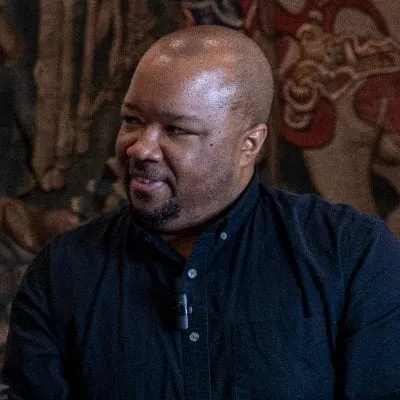
- Studio head Swen Vincke clarified the matter in a Reddit AMA following a recent interview that yielded controversy.
- The developer said it may test AI tools internally, but will avoid generative AI for concept art and final assets.
Larian Studios, the developer behind 2023’s award-winning role-playing game Baldur’s Gate 3, said Friday that its upcoming game Divinity will not include any AI-generated art—though the studio didn’t entirely rule out the possibility of using AI-powered tools.
Studio head Swen Vincke addressed the issue in a response posted in a Reddit Ask Me Anything (AMA) thread. The clarification follows growing criticism from players and artists over how generative AI is being used in game development.
“So first off—there is not going to be any GenAI art in Divinity,” Vincke wrote. “I know there’s been a lot of discussion about us using AI tools as part of concept art exploration. We already said this doesn’t mean the actual concept art is generated by AI, but we understand it created confusion.”
The confusion Vincke aimed to address stemmed from a December interview with Bloomberg, where the studio head mentioned how Larian plans to use generative AI technology. Vinke’s comments today aimed to put that confusion to rest.
“To ensure there is no room for doubt, we’ve decided to refrain from using GenAI tools during concept art development,” he wrote. “That way there can be no discussion about the origin of the art.”
Since the public launch of ChatGPT and Midjourney in 2022, which brought prompt-based text and image generation to a wide audience, the gaming industry has grappled with how to use generative AI—or whether to use it at all.
Players, developers, and performers have raised concerns about its impact on creative work, even as studios face rising development costs and growing expectations from players.
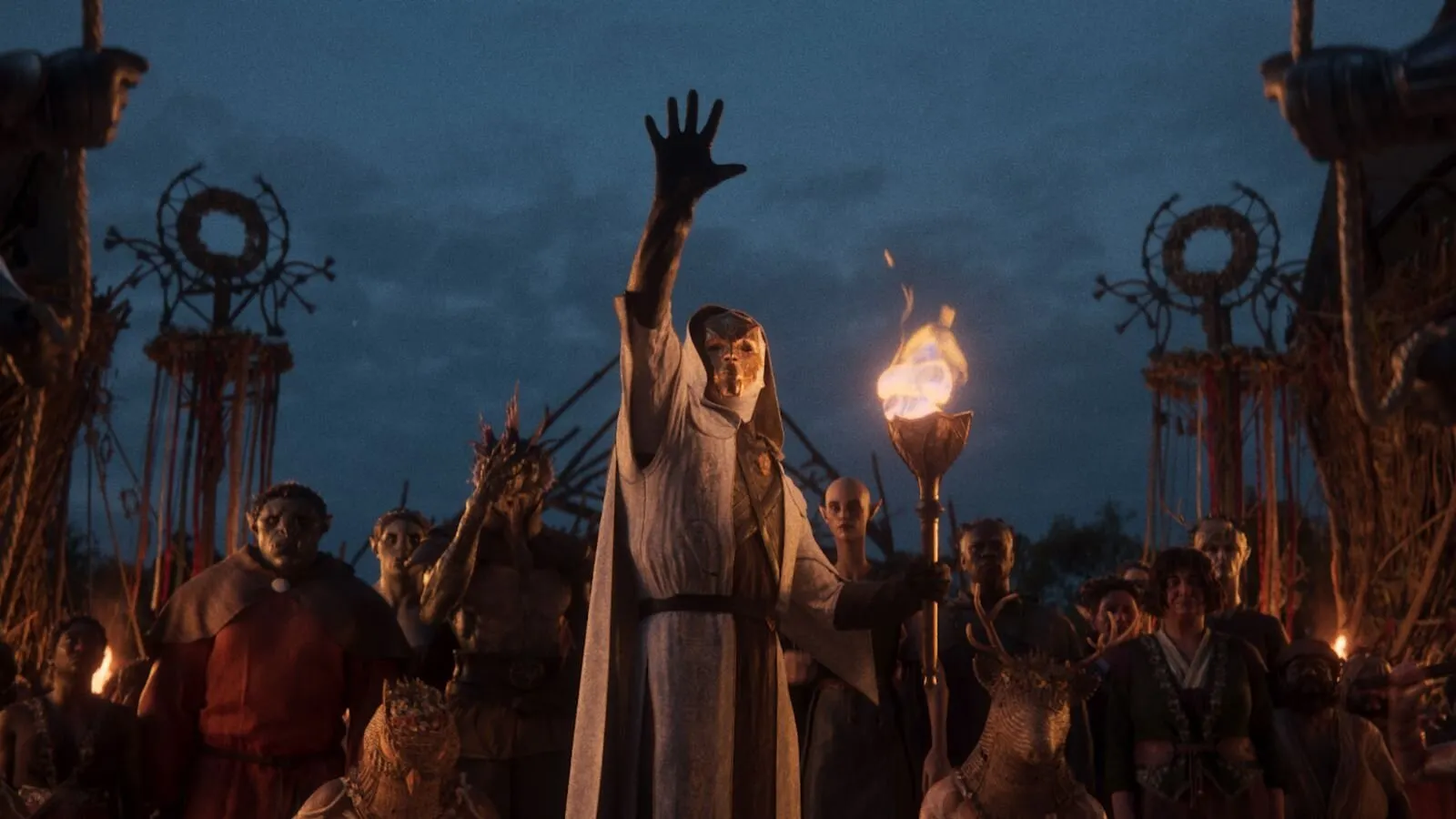
Divinity, which was revealed in December, looks to continue the studio’s focus on large-scale role-playing adventures. While Vincke did not say when the next game in the Divinity saga would come out, he said Larian would continue to test AI tools in other parts of development.
“We continuously try to improve the speed with which we can try things out,” he wrote. “The more iterations we can do, the better in general the gameplay is.”
Vincke said any AI-generated content included in a game would be subject to limits around data ownership and consent.
“The important bit to note is that we will not generate ‘creative assets’ that end up in a game without being 100% sure about the origins of the training data and the consent of those who created the data,” he wrote. “If we use a GenAI model to create in-game assets, then it’ll be trained on data we own.”
Launched in 2002, Divinity is a series of fantasy role-playing games known for its turn-based combat, narrative choice, and cooperative multiplayer. The series helped establish the studio before its success with Baldur’s Gate 3. The previous entry, 2017’s Divinity: Original Sin II, launched to rave reviews from critics.
Whether or not the commitment to using generative AI only for prototyping satisfies players remains to be seen, as major game publishers, including Square Enix, and Microsoft, have slashed jobs in favor of automation.
Addressing concerns about the use of AI in game development, Larian Machine Learning Lead Gabriel Bosque said the studio views machine learning technology as a tool to support, not displace, its creative teams or voice actors.
“This is all new technology, so I totally understand why it’s difficult to see where the positive uses are,” he wrote. “We believe machine learning is a powerful tool to accelerate and make game development more efficient and streamlined. This means that our creatives have more time doing the work that makes their jobs more rewarding and the game a richer experience.”