





In brief
- Chainalysis estimates that Iran’s crypto ecosystem reached about $7.78 billion in 2025, growing faster than the year prior.
- Bitcoin withdrawals by civilians surged during mass protests and an internet blackout that began in late December 2025.
- Separately, IRGC-linked networks accounted for more than half of Iran’s crypto value received in late 2025.
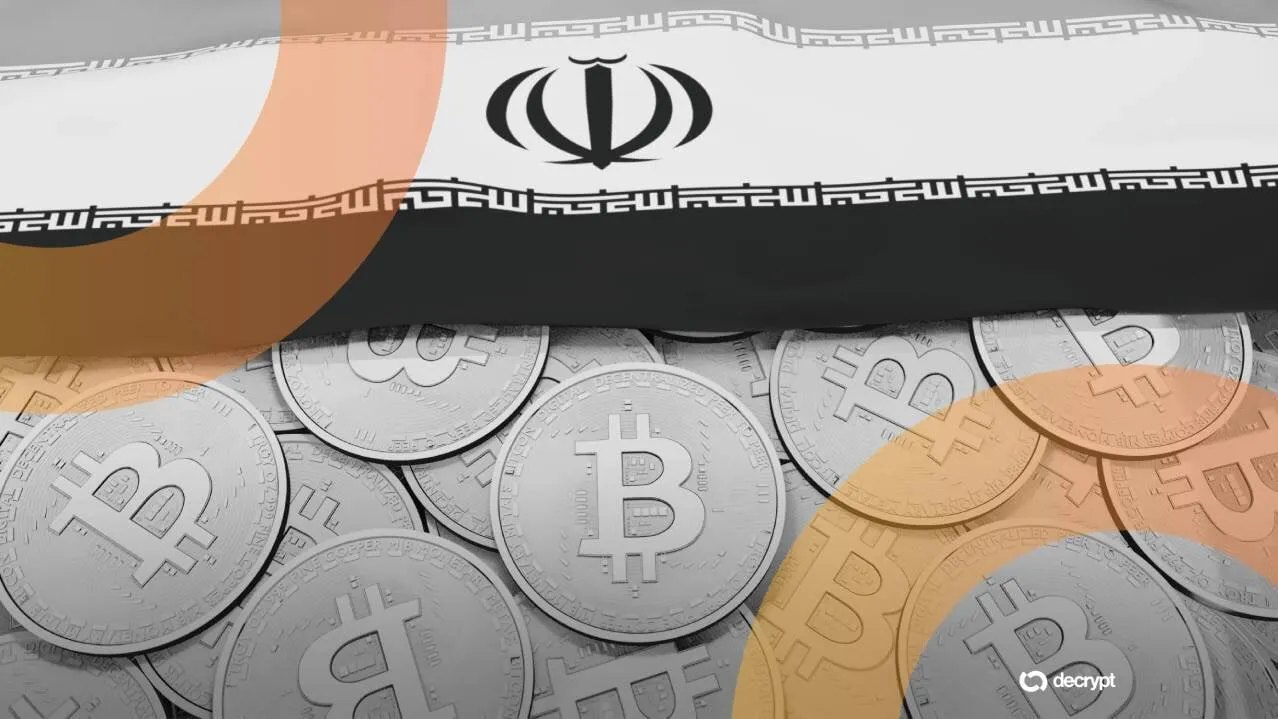
As Iran’s economy reels from deepening unrest and a collapsing currency, cryptocurrency activity tied to the country surged to nearly $7.8 billion in 2025, according to a new report from blockchain analytics firm Chainalysis.
According to Chainalysis, the data shows digital assets increasingly serving two distinct roles—as a financial escape valve for civilians during periods of instability and a growing channel for state-linked actors operating under sanctions.
“The flight to safety effects that we document in the report are largely confined to BTC, suggesting that in a time of crisis, that is the preferred safe haven asset for civilians in Iran,” Chainalysis Head of Research Eric Jardine told Decrypt. “However, stablecoins are also often used for personal remittances due to their ease of use, low cost, and stability, which is critical especially during times of hyperinflation.”
Chainalysis said that for Iranians living under a government grappling with chronic economic instability and inflation hovering between 40% and 50%, cryptocurrency has become more than a way around sanctions, serving instead as an escape from what it described as a failing system controlled by an increasingly desperate regime.
Chainalysis said the $7.78 billion figure marks a sharp increase from 2024. As protests in Iran intensified in late December and authorities imposed nationwide internet restrictions, withdrawals from cryptocurrency exchanges to personal wallets jumped as access to state-controlled financial channels became less reliable.
“It is not immediately clear what proportion of funds would move back from crypto into local currency and traditional financial networks after a crisis has passed,” Jardine said. “Given the significant value collapse in the rial, it is likely that a return to the local currency is not an attractive option for most people.”
Jardine added that crypto adoption is sticky, and once a part of that system, “a complete reversion to traditional financial rails is unlikely.”
Bradley Rettler, a senior fellow at the Bitcoin Policy Institute, said the shift toward self-custody during Iran’s protests reflects Bitcoin’s appeal in environments marked by financial repression and currency instability.
"In countries where citizens fear their government, worry about financial censorship, or see their local currency inflating, Bitcoin provides an alternative,” Rettler told Decrypt. “When any of those things increase, we should expect Bitcoin ownership to increase. And the only way to ensure you can keep access to your Bitcoin and use it privately is to withdraw it to a personal wallet. This seems to be what is happening in Iran.”
Since its creation in 2009, Bitcoin has been used by activists and dissidents as an alternative payment rail, gaining wider visibility in 2011 when WikiLeaks began accepting Bitcoin donations after facing a financial blockade from PayPal.
Research published in the International Review of Economics & Finance also found that during crises such as COVID-19 and the wars in Ukraine and Palestine, Bitcoin usage tends to increase as access to banks and payment networks is disrupted.
While the report highlighted increased Bitcoin use among protesters, it also documented a rise in state-linked crypto activity. Addresses associated with Iran’s Islamic Revolutionary Guard Corps accounted for more than 50% of all crypto value received in the country during the final quarter of 2025, according to Chainalysis’ analysis of sanctioned wallets.
"The IRGC plays a significant role in the economics of Iran. Their adoption of Bitcoin signals to the rest of the world and to Iranian citizens that it is valuable,” Rettler said, adding that activists like Alex Gladstein of the Human Rights Foundation calls Bitcoin a "Trojan horse for freedom."
Chainalysis said that the figure in its report likely understates the true scale of state involvement in Bitcoin. Its analysis focused on addresses already identified and designated by U.S. and Israeli authorities, excluding unidentified intermediaries, shell entities, and facilitators that may also play a role in moving digital assets.
Taken together, the findings suggest that Bitcoin has become an entrenched part of Iran’s financial landscape by individuals seeking to preserve personal wealth, and by sanctioned actors navigating U.S. restrictions.
“Political leaders will acquire Bitcoin because of its potential as an investment, but that in turn prompts the citizens of that country to learn more about it and want to acquire it themselves,” Rettler said. “When they do, they find themselves with a money that cannot be manipulated, that allows for significant financial privacy, and that resists censorship."
"In seeking wealth through Bitcoin," he added, "rulers give their people more freedom."
Editor's note: This story was updated after publication with comments from Chainalysis.
Daily Debrief Newsletter
Start every day with the top news stories right now, plus original features, a podcast, videos and more.
Join 72,000+ readers