






In brief
- The SEC proposed exemptions allowing crypto projects to raise up to $5 million over four years or $75 million annually without full securities registration.
- The proposal includes a safe harbor that could allow a crypto asset to separate from the investment contract through which it was sold.
- The SEC moved forward with the proposal days after canceling a meeting on the framework amid reported pressure from Wall Street and the White House.
The Securities and Exchange Commission proposed new rules Tuesday that would let crypto projects raise funds without requiring full securities registration, abruptly changing course after calling off a meeting late last week in which the Commission was expected to introduce the measures.
Under “Regulation Crypto Assets,” a startup exemption would allow digital token offerings of up to $5 million over four years. A second exemption would allow token issuers to raise up to $75 million every 12 months if they provide financial statements and ongoing reports.
Both would require disclosures, while federal antifraud and antimanipulation rules would still apply.
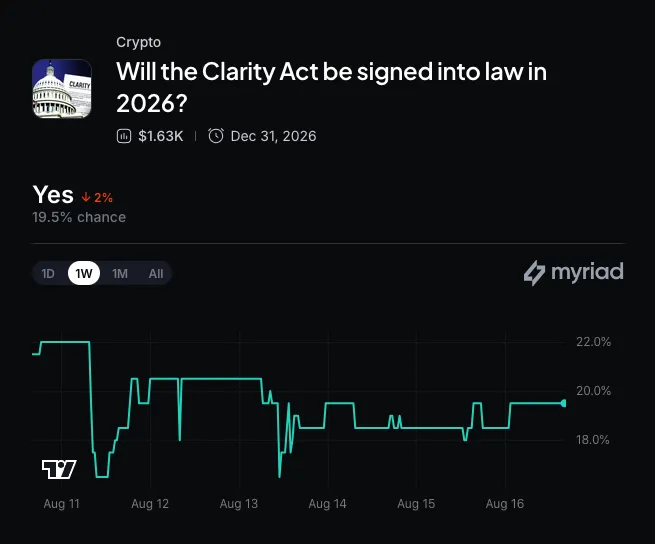
The measures come at an opportune time for the cryptocurrency industry after a setback in negotiations over the Clarity Act sunk hopes that the marquee market-structure legislation would be passed this year. The Clarity Act would, if passed, formally legalize most crypto activity in the United States, but SEC Chair Paul Atkins had previously signaled in late July that the Commission was prepared to step in with its own rules if the bill fell short.
SEC Commissioner Hester Peirce today acknowledged that the proposed exemptions would not cover every type of crypto project, calling on the crypto industry to provide feedback on how the rules should evolve.
“The Commission wants to accommodate innovation on many fronts, and our rules need to be tailored to changing market developments and designed to protect investors and market integrity,” she wrote. “This proposal is one step on a long road toward a clear, sensible, enforceable regulatory framework for crypto.”
The proposal also includes a conditional safe harbor allowing an issuer to “delink” a crypto asset from the investment contract through which it was sold. That could allow a token initially tied to a securities transaction to separate from that contract if the issuer meets the SEC’s conditions.
The proposal comes after the SEC abruptly canceled a meeting on Regulation Crypto Assets last week, citing an “unforeseen scheduling issue.”
On Monday, Crypto In America reported that SIFMA, a Wall Street trade group representing broker-dealers, investment banks and asset managers, had discussed a potential legal challenge to the SEC’s authority. At the same time, the White House had asked the agency to postpone the meeting amid Clarity Act negotiations.
The news also comes as other federal agencies advance crypto rules.
On Monday, the U.S. Treasury Department proposed regulations implementing the GENIUS Act that would generally require stablecoin issuers to obtain federal or state licenses beginning in January 2027. Crypto platforms would face restrictions on selling stablecoins from unapproved issuers beginning in July 2028.
Daily Debrief Newsletter
Start every day with the top news stories right now, plus original features, a podcast, videos and more.
Join 72,000+ readers