




In brief
- OFAC sanctioned two Iranian firms behind a scheme requiring vessels to buy IRGC-approved "insurance" to transit the Strait of Hormuz.
- One of them, Hormuz Safe, accepts Bitcoin and other digital assets to evade sanctions, Treasury said.
- Blockchain analysts told Decrypt in April they saw no evidence crypto was being used at scale for Hormuz tolls.
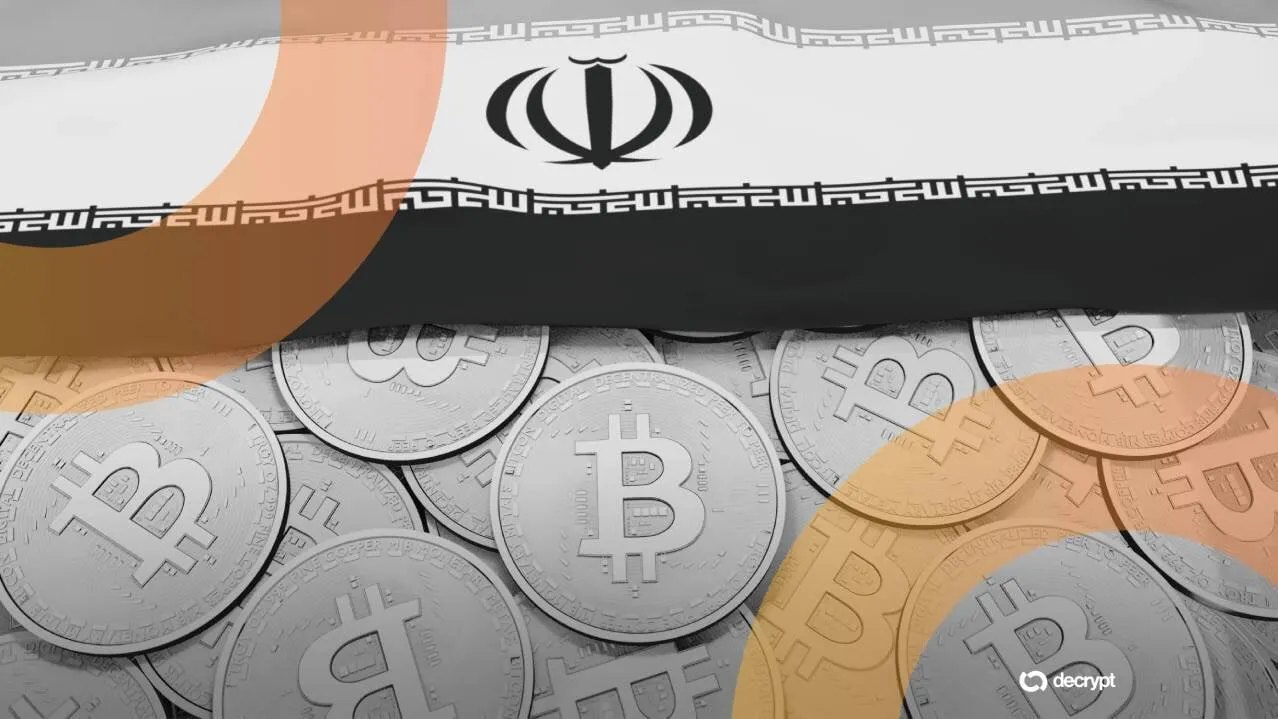
Iran is accepting Bitcoin from commercial shipping in exchange for passage through the Strait of Hormuz, according to the U.S. Treasury, whose Office of Foreign Assets Control sanctioned two firms behind the scheme on Wednesday. Vessels crossing the chokepoint, which carries a fifth of the world's oil, are required to buy maritime "insurance" approved by the Islamic Revolutionary Guard Corps.
The cover protects against risks Iran itself creates, Treasury said, chiefly the seizure of vessels. Persian Gulf Marine Insurance Company, set up by Iran's insurance regulator, brokers the policies. They are approved by the IRGC-backed Persian Gulf Strait Authority, which Washington designated in May.
Today, Treasury’s Office of Foreign Assets Control designated two firms integral to an Islamic Revolutionary Guard Corps-backed extortion scheme that forces commercial vessels to purchase mandatory maritime “insurance” to transit the Strait of Hormuz. Although this coverage…
— Treasury Department (@USTreasury) July 29, 2026
The Bitcoin rail
The second firm, HormuzSafe Marine Services Authority, was developed by Iran's Ministry of Economy and markets itself as a provider of traffic control, security and emergency response as well as insurance. It accepts Bitcoin and other digital assets, which OFAC said is part of an effort to bypass Western sanctions. Babak Morteza Zanjani, an Iranian financier sanctioned earlier this year, promoted it to his social media followers.
When the Financial Times reported in April that Iran would demand crypto tolls from shipping, starting at $1 a barrel, blockchain analysts were initially unconvinced.
At the time, TRM Labs policy head Ari Redbord told Decrypt he was skeptical, saying there was no data showing crypto being used at scale for Hormuz transit. Others noted that the man quoted in the report, an industry union spokesman, did not speak for the regime. Treasury's designation settles part of that, naming a firm built by a government ministry that takes Bitcoin.
The shadow fleet
Treasury Secretary Scott Bessent said the Iranian regime is "desperate for cash," with its economy "in freefall" and inflation in triple digits, and that Washington would not let Iran "hold global commerce hostage."
The same action designated eight tankers and their operators over cargoes of Iranian crude and petroleum products, most of the companies registered in Hong Kong. More than 100 vessels tied to Iran's shadow fleet have been sanctioned since January. Treasury said the insurance schemes were set up to replace revenue lost to Operation Epic Fury.
On Myriad, a prediction market owned by Decrypt’s parent company Dastan, users place a 38% chance on the Iranian blockade ending by August 31.
Daily Debrief Newsletter
Start every day with the top news stories right now, plus original features, a podcast, videos and more.
Join 72,000+ readers